Table of Contents
ToggleOrganic Farming in India
introduction :
Hello, Fellow Farmers!
Have you ever wondered about shifting from traditional farming methods to something that’s good for your crops and the environment? If yes, then organic farming in India might be the path you’ve been looking for. With the growing concerns over soil health, climate change, and the harmful effects of chemicals, organic farming is quickly becoming a viable and sustainable option for farmers nationwide.
But what exactly is organic farming, and why should Indian farmers embrace it? Let’s take a deeper look at the world of organic agriculture and how it’s transforming the lives of farmers like you.

What is Organic Farming?
Organic farming is a way of growing crops without relying on synthetic chemicals such as fertilizers, pesticides, or herbicides. Instead, it emphasizes the use of natural methods to nurture the soil and encourage healthy crop production. Think of it as farming the way nature intended – giving back to the earth and cultivating crops in harmony with the environment.
As Indian farmers, we’ve always had a close connection to the land. Organic farming allows us to go back to those roots and promote farming that respects nature and produces food that’s healthier for us and the planet.
Why Organic Farming is Important for India
India is a land of diverse landscapes and climates, which means our farming practices must adapt to the changing times. Here are a few reasons why organic farming is the way forward for Indian agriculture:
1. Healthier Soil, Healthier Crops: Over time, traditional farming methods that rely heavily on chemicals have depleted the soil of vital nutrients. Organic farming restores the natural balance of the soil by using organic matter like compost, manure, and crop rotation. This helps soil retain its nutrients, making it healthier for future crops.
2. Better for Your Health: Did you know that the chemicals used in conventional farming can end up in the food we eat? Organic farming ensures that the food we grow is free from harmful chemicals, making it a healthier choice for us and our families. With increasing demand for organic produce, there’s never been a better time to grow food that’s safe and nutritious.
3. Fighting Climate Change: Organic farming is not just about growing food; it’s about taking care of the planet. By avoiding harmful chemicals and using natural practices, we can reduce the environmental impact of farming. Organic farming conserves water, reduces soil erosion, and helps in combating climate change.
4. A Profitable Future: Organic farming might indeed require some investment upfront, but the long-term rewards are worth it. Organic produce often fetches a premium price in the market, which means you can earn more. Plus, you’ll be able to cater to the growing demand for healthy and sustainable food.

How Organic Farming Can Benefit You
As farmers, we’re always looking for ways to improve our yield, reduce costs, and ensure a stable income. Organic farming offers some exciting opportunities:
- More Crop Variety: Organic farming encourages crop rotation and diversification, which helps keep the soil healthy and reduces the risk of pest infestations. By planting different crops, we can also prevent the soil from getting overused and exhausted, allowing us to get better yields.
- Cut Down on Input Costs: One of the major advantages of organic farming is that it helps reduce the dependence on expensive fertilizers, pesticides, and herbicides. By using natural alternatives like compost and bio-fertilizers, you can cut down on costs, which directly improves your profit margin.
- Long-Term Sustainability: Organic farming isn’t just about making quick profits – it’s about building a sustainable future for the next generation. The healthier the soil, the better the crops will grow in the long run. This means you can continue farming for years to come without depleting your land.
- A Growing Market: There’s no denying the global trend toward healthier, eco-friendly food. With organic farming, you can tap into this growing market and reach more consumers who are willing to pay a premium for food that’s free from chemicals. Your organic farm could even open doors to export opportunities!
Getting Started with Organic Farming in India
So, how can you get started with organic farming? It’s easier than you think! Here are a few steps to help you begin your organic farming journey:
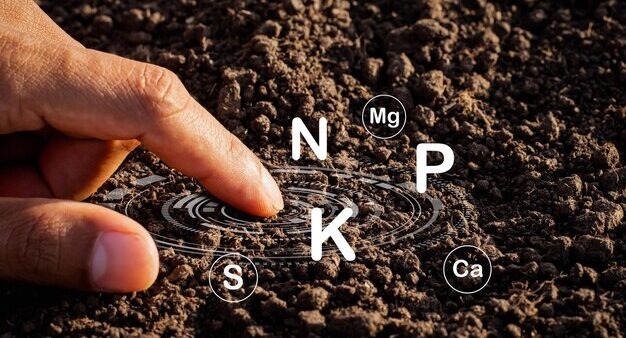
- Test Your Soil: Before you start, it’s a good idea to get your soil tested to understand its current condition. This will help you make informed decisions about what organic inputs you need to restore soil fertility.
- Start Small: If you’re new to organic farming, start by converting a small portion of your land to organic. This will give you a chance to learn the ropes before committing your entire farm to organic practices.
- Compost and Fertilize Naturally: Organic farming thrives on the use of natural fertilizers like compost, animal manure, and green manure. You can start making compost on your farm and use it to nourish the soil.
- Integrated Pest Management: In organic farming, we don’t rely on chemical pesticides. Instead, we use natural methods like neem oil, crop rotation, and the use of beneficial insects to keep pests in check. This ensures that the ecosystem remains healthy while protecting your crops.
- Get Certified: If you want to increase the value of your produce, consider getting certified as an organic farm. Certification will give your products credibility and make it easier to sell them at premium prices. The National Programme for Organic Production (NPOP) and India Organic are two certification bodies to look into.

Inspiring Organic Farming Success Stories in India
Across India, there are many inspiring examples of farmers who have embraced organic farming and seen incredible results. Here are a few success stories:
- Sikkim: India’s Organic Paradise Sikkim became the first state in India to adopt 100% organic farming. With government support and the dedication of local farmers, Sikkim has set an example for the rest of India. Today, organic farming is thriving in Sikkim, and the state is recognized globally for its commitment to sustainability.
- Farmers in Rajasthan’s Arid Lands In Rajasthan, farmers have been switching to organic farming to combat the adverse effects of chemical farming in the arid region. By using organic methods, they have been able to restore soil health and increase their yields, even in difficult conditions.
Challenges of Organic Farming in India
While the benefits are clear, it’s important to acknowledge the challenges that come with organic farming:
- Initial Investment: Transitioning to organic farming may require an initial investment in organic inputs, training, and certification.
- Knowledge Gap: Not all farmers are familiar with organic farming practices. Training and access to information are key to making the shift successfully.
- Market Access: Organic produce may not always be easy to sell in local markets, and farmers might need support in accessing premium markets.
Conclusion
Organic farming is more than just a trend – it’s a movement toward a healthier, more sustainable future for India’s farmers. By adopting organic practices, we can not only improve the quality of our produce but also protect the environment and build a more profitable farming model. So, let’s take the first step towards organic farming today and create a greener, healthier future for our children and communities.