Table of Contents
ToggleHow Organic Farming Can Solve the Global Food Crisis by 2025
The global food crisis has become an urgent concern as the world’s population grows, and climate change poses a severe threat to traditional farming methods. However, organic farming offers a sustainable solution that can potentially resolve the food crisis by 2025. Organic farming is key to addressing global hunger and food scarcity by focusing on environmentally friendly practices and healthier food production. In this blog post, we will explore how organic farming can help solve the global food crisis and why it should be at the forefront of future agricultural practices.

What is Organic Farming?
Organic farming is an agricultural method that avoids synthetic chemicals, fertilizers, and pesticides. Instead, it uses natural processes to maintain soil fertility, control pests, and promote biodiversity. By focusing on crop rotation, composting, and sustainable farming techniques, organic farming supports the health of the land, the environment, and human communities.
In contrast to conventional farming, which relies on harmful chemicals and monocropping (growing one crop over large areas), organic farming focuses on soil health, biodiversity, and ecological balance. These practices lead to more resilient ecosystems, improved crop yields, and a healthier food supply for the world.
How Can Organic Farming Solve the Global Food Crisis by 2025?
As the global food crisis continues to escalate, the solution lies in moving toward more sustainable and resilient farming systems. Organic farming presents several advantages that can address the challenges of global food production.
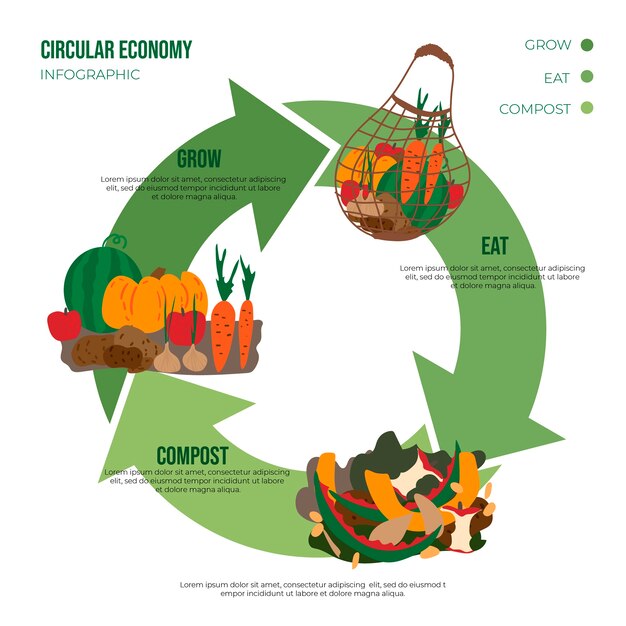
1. Sustainable and Long-Term Crop Yields Organic farming focuses on enhancing soil fertility through natural methods like composting and crop rotation. Healthy soils lead to better crop yields, which can help feed the growing population. Unlike conventional farming, which often depletes soil nutrients, organic farming builds and maintains the health of the land, ensuring continued productivity in the long run.
2. Reducing Environmental Impact Organic farming has a significantly lower environmental footprint than conventional farming. By avoiding harmful chemicals, organic farming reduces pollution, preserves water quality, and helps mitigate the effects of climate change. These sustainable farming practices are crucial in the fight against environmental degradation, ensuring that future generations can continue to grow food.
3. Empowering Small-Scale Farmers Organic farming can also empower small-scale farmers, especially in developing countries. Many small farmers struggle with the high costs of synthetic inputs, but organic farming provides a more affordable and accessible solution. By teaching farmers sustainable farming practices, we can help them become more self-sufficient and contribute to local food security.

4. Promoting Biodiversity and Ecosystem Health Organic farming promotes biodiversity by encouraging a variety of crops and natural pest control methods. This helps maintain healthy ecosystems, supports pollinators, and increases the resilience of crops to pests and diseases. These benefits contribute to a more secure and diverse food supply.
5. Reducing Carbon Emissions Conventional farming contributes to climate change through the heavy use of fossil fuels and synthetic fertilizers. Organic farming, on the other hand, uses fewer chemical inputs and relies on sustainable practices that reduce carbon emissions. By reducing the agricultural sector’s carbon footprint, organic farming can play a significant role in mitigating climate change.
Frequently Asked Questions About Organic Farming and the Global Food Crisis
Organic farming avoids the use of synthetic pesticides, fertilizers, and genetically modified organisms (GMOs). It emphasizes the use of natural processes and eco-friendly practices to grow food, which leads to healthier soil, improved biodiversity, and lower environmental impact.
Organic farming can help increase food production in the long term by improving soil health and fostering resilient ecosystems. It also supports small-scale farmers, providing them with affordable and sustainable farming methods that boost local food security.
While organic farming may have higher upfront costs due to certification and certain practices, it can be more cost-effective in the long run. Organic farming reduces dependency on expensive chemical inputs and increases the sustainability of farming operations.
Yes, organic farming can feed the world by increasing crop yields sustainably. It also promotes food diversity and quality, contributing to a healthier and more resilient food system.