Table of Contents
ToggleImportance of Soil Health in Organic Farming
introduction
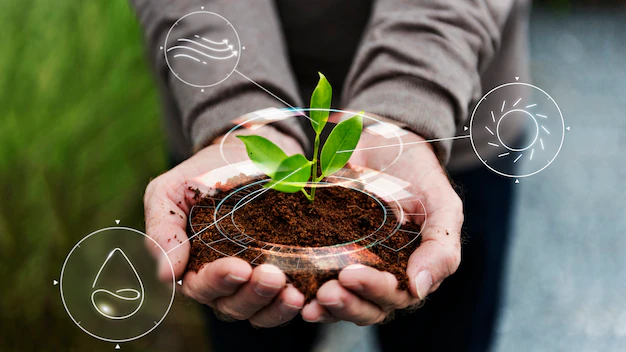
Soil health plays an important role in organic farming as it affects crop growth, productivity, and environmental sustainability. Organic farming practices prioritize maintaining and improving the health of the soil so that it remains fertile, vibrant, and capable of supporting a variety of plant life without the use of synthetic chemicals. From small farmers to large-scale organic farming, understanding the importance of soil health in organic farming is essential. This blog post will explore the importance of soil health in organic farming, best practices for increasing soil fertility, and how healthy soil contributes to a successful farming system.
Why is soil health important in organic farming?
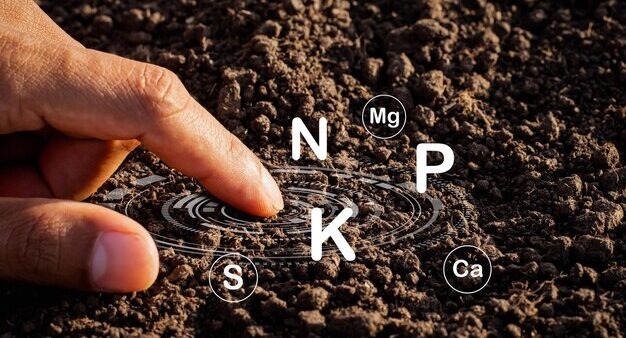
Soil health is the foundation of organic farming and its impact on crop yield and overall farm productivity cannot be overstated. Healthy soil promotes a balanced ecosystem of microorganisms that help break down organic matter, making nutrients available to plants. This nutrient-cycling process is essential to ensure optimal crop growth and disease resistance. In addition, healthy soil promotes water retention and reduces erosion, which is important for the long-term sustainability of organic farming.
In organic farming, soil health is maintained without relying on artificial fertilizers or pesticides. Instead, organic farmers focus on natural methods to increase soil fertility and biodiversity, making soil health a central pillar of the farming system. By nourishing the soil, organic farmers are creating a resilient ecosystem that benefits both crops and the environment.
Best practices for maintaining soil health in organic farming
To maintain and improve soil health, organic farmers must adopt some best practices that focus on reducing soil disturbance, increasing soil fertility, and increasing biodiversity. Below are some essential methods to follow:
1. Crop rotation
Crop rotation is one of the most effective methods for maintaining soil health in organic farming. By changing the types of crops grown each season, farmers prevent the loss of certain nutrients and help reduce the accumulation of pests and diseases. Crop rotation also encourages the growth of deep-rooted plants that improve soil structure and increase soil organic matter.

2. Composting and organic fertilizers
Application of compost and organic fertilizers is an important method in organic farming to increase soil fertility. Compost improves soil structure, increases microbial activity, and replenishes essential nutrients. Organic fertilizers obtained from natural sources are applied to the soil to promote plant growth without the use of harmful chemicals. Both composting and organic fertilizers contribute to healthy soil, which creates a fertile environment for crop growth.
3. Cover cropping
Cover cropping involves planting crops to protect and improve the soil, especially during the off-season. These crops, often legumes or grasses, help prevent soil erosion, fix nitrogen in the soil, and add organic matter when mixed into the soil. By using cover crops, organic farmers can enrich the soil by reducing the risk of nutrient loss.
4. Reduce tillage
Tillage can damage soil structure by disrupting the natural arrangement of soil particles, leading to compaction and erosion. Organic farmers aim to minimize tillage to preserve soil structure and increase water infiltration. Practices such as no-till or reduced tillage help maintain a healthy, balanced soil ecosystem and prevent the loss of soil organic matter.
5. cover
Mulching is the practice of covering the soil with organic matter such as straw, leaves, or grass clippings. This layer of mulch protects the soil from erosion, helps retain moisture, and regulates temperature. It also promotes the growth of beneficial microorganisms that contribute to soil health. Mulching is an excellent way to maintain the natural fertility of the soil while reducing the need for artificial inputs.
How healthy soil contributes to the success of organic farming
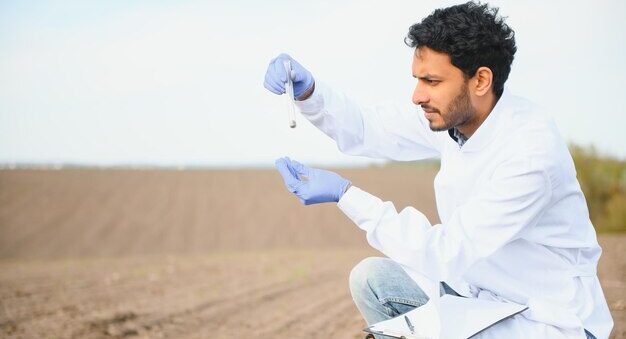
Healthy soil is the cornerstone of successful organic farming. It improves the overall resilience of agricultural ecosystems, leading to more sustainable crop production. Healthy soil ensures that crops have access to the nutrients and water they need, reducing the need for artificial inputs. Furthermore, soil rich in organic matter and beneficial microorganisms helps reduce the incidence of pests and diseases, which are often a challenge in organic farming systems. This creates a more balanced, productive farming environment that benefits both farmers and consumers.
Frequently Asked Questions: Common questions about soil health in organic farming.
In organic farming, soil health directly affects crop yields. Healthy soil provides essential nutrients, increases water retention, and supports beneficial microorganisms that aid plant growth. By maintaining soil health, organic farmers can achieve higher and more consistent crop yields without relying on synthetic chemicals.
Key indicators of soil health are soil composition, nutrient levels, organic matter content, microbial diversity, and soil PH. Healthy soil is well-structured, rich in organic matter, and supports a variety of beneficial organisms.
Yes, proper practices can improve soil health over time. Regular application of compost, crop rotation, cover cropping, and minimum tillage can gradually restore and enhance soil health, creating more productive and sustainable organic farming systems.
Organic farming practices are highly effective in improving soil health, but conventional farming practices can also adopt sustainable practices that promote soil health. However, organic farming places special emphasis on soil health through natural practices such as composting, crop rotation, and avoidance of synthetic chemicals.

termination
Finally, the importance of soil health in organic farming cannot be overstated. Healthy soil is the backbone of productive and sustainable organic farming because, by adopting best practices such as crop rotation, composting, cover cropping, and minimum tillage, organic farmers can increase soil fertility, improve crop yields, and help us contribute to environmental sustainability. Soil health is an ongoing investment that benefits not only crops but also the long-term viability of farming systems. By prioritizing soil health, organic farmers are helping to create a more resilient and sustainable future for agriculture.