
Table of Contents
ToggleHow Organic Farming is Revolutionizing Agriculture in 2025
Introduction:
In the ever-evolving landscape of agriculture, the rise of organic farming is shaping up to be a game-changer. Looking ahead to 2025, the focus on sustainable farming practices has intensified. Organic farming is revolutionizing agriculture by shifting away from chemical-intensive methods to more natural and eco-friendly approaches. This shift not only promises to protect the planet but also benefits farmers, consumers, and local economies. Let’s take a look at how organic farming is changing the future of agriculture in 2025 and why it is becoming a key part of the global agricultural revolution.
1. What is organic farming?
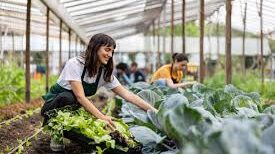
Organic farming is a method of farming that avoids the use of synthetic pesticides, fertilizers, genetically modified organisms (GMOs), and growth regulators. Instead, it focuses on increasing biodiversity, maintaining soil health, and using crop rotation and composting. Through this approach, farmers are working with nature to promote healthy ecosystems while simultaneously producing nutritious food free of harmful chemicals. In 2025, organic farming is not just a trend but a battle for human interests—it is becoming a necessity to ensure food security and environmental sustainability.
2. Environmental Impact of Organic Farming
The most important way organic farming will revolutionize agriculture in 2025 is through its environmental benefits. Organic farming reduces soil degradation, water pollution, and air pollution—all common problems caused by conventional farming methods. Using natural methods, organic farming maintains healthy soil, increases water retention, and promotes biodiversity. These practices reduce the carbon footprint, making organic farming a key component in combating climate change.
For example, organic farming uses crop rotation and intercropping to replenish soil, which reduces the need for artificial fertilizers. This practice improves soil structure, water absorption, and overall soil health, which contributes to long-term agricultural sustainability.

3. Healthy Food Movement
As consumers become more aware of food sources and ingredients, organic farming is gaining traction for its ability to provide healthier food. By using fewer chemicals in the production of organic crops, consumers can enjoy products free of harmful pesticides, herbicides, and synthetic fertilizers. In 2025, demand for organic products is expected to increase as health-conscious shoppers seek safer food options. Organic farming not only focuses on environmental sustainability, but also aims to improve human health by providing cleaner, more nutritious food.
Furthermore, livestock raised on organic farms are fed natural feed and their care is strictly controlled to ensure humane treatment. This ensures that organic meat and dairy products contain fewer antibiotics and hormones, making them a healthier option for consumers.
4. Economic benefits for farmers and communities
Organic farming is also revolutionizing agriculture by providing farmers with a more sustainable and profitable model. The initial investment may be higher, but organic farmers can often sell their products at a premium, allowing them to increase their income. Additionally, organic farming generally uses fewer inputs, which means farmers spend less on chemicals and other synthetic products. By adopting organic practices, farmers can build long-term business models that are more resilient to market fluctuations and environmental challenges.
Furthermore, organic farming practices encourage local farming communities to thrive. By focusing on small-scale, local farming, organic farming helps create jobs and supports rural economies. This shift towards community-based agriculture is proving to be an effective strategy to revitalize struggling agricultural sectors, creating a sustainable and economically viable future for rural areas.
5. Technological Integration in Organic Farming
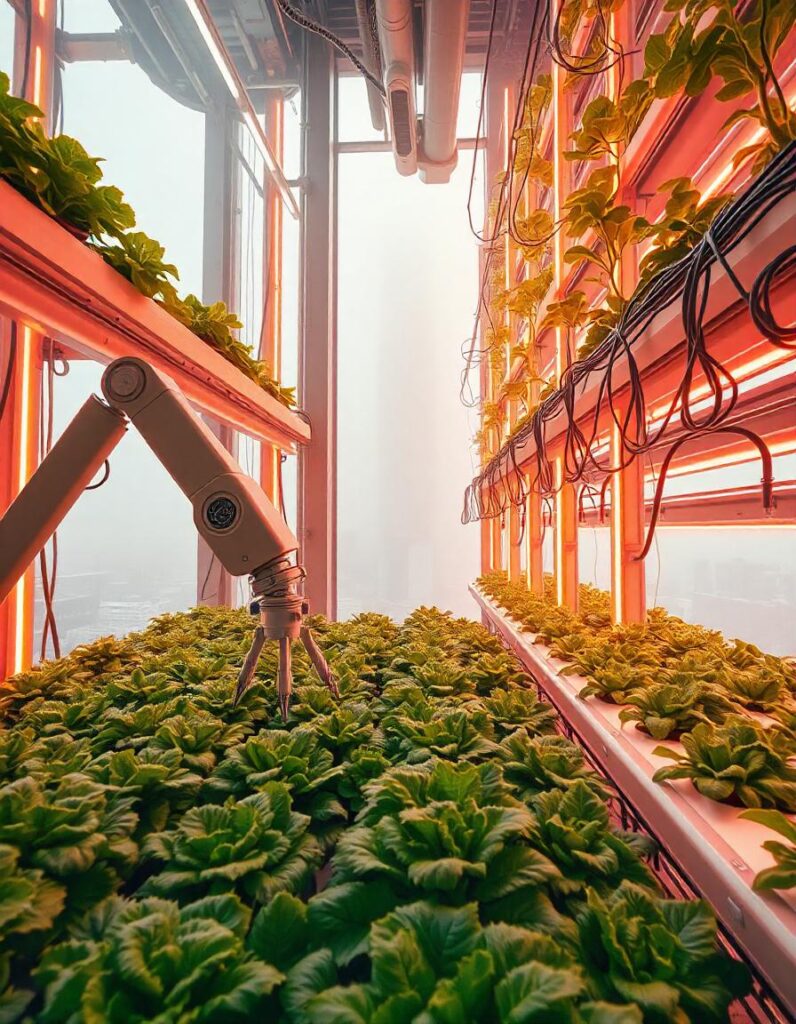
In 2025, technology will play a key role in enhancing organic farming practices. Modern tools such as drone technology, artificial intelligence (AI), and data analytics are being integrated into organic farming to help optimize crop production while maintaining sustainability. These innovations enable farmers to monitor soil health, track crop growth, and predict weather patterns more accurately, leading to more efficient farming practices.
Furthermore, precision farming techniques such as soil sensors and automated irrigation systems allow organic farmers to use resources more effectively. By incorporating technology into organic farming, farmers can increase production without compromising their commitment to sustainability.
FAQ
Organic farming avoids the use of synthetic chemicals, pesticides, and genetically modified organisms (GMOs). It focuses on maintaining healthy ecosystems, using natural fertilizers, and preserving biodiversity. Conventional farming often relies on synthetic inputs to maximize crop yields.
While organic products can be more expensive due to higher production costs, the long-term benefits, including improved health and environmental sustainability, make it a worthy investment. As demand for organic products increases, prices may become more competitive.
Yes, organic farming can contribute to feeding the world. While it may not be a one-size-fits-all solution, organic farming practices can complement other sustainable agricultural methods, ensuring long-term food security while preserving the environment.
Organic farming reduces greenhouse gas emissions by minimizing the use of synthetic fertilizers and promoting carbon sequestration in healthy soils. Additionally, organic farming supports biodiversity, which is crucial for maintaining ecosystem balance and mitigating the impacts of climate change.
Technology helps organic farmers monitor soil health, predict weather patterns, and optimize crop production. Precision tools like drones and AI allow for more efficient use of resources, reducing waste and supporting sustainable farming practices.
Conclusion
As we move into 2025, organic farming continues to revolutionize agriculture by providing sustainable solutions for the future. With its focus on environmental preservation, improved food quality, and economic benefits for farmers, organic farming offers a compelling alternative to conventional agricultural practices. By embracing these innovative methods, farmers, consumers, and communities can contribute to a healthier, more sustainable planet. Organic farming is not just reshaping agriculture—it’s transforming the way we think about food production and its long-term impact on the world.