Table of Contents
ToggleCan Organic Farmers Use Fertilizer
The debate about whether organic farmers can use fertilizers often sparks confusion among those who are new to organic farming practices. While the concept of organic farming revolves around avoiding synthetic chemicals, the use of fertilizers in organic farming is not as straightforward as it might seem. So, can organic farmers use fertilizer? The short answer is yes but with important considerations and regulations in place.
Understanding Organic Farming
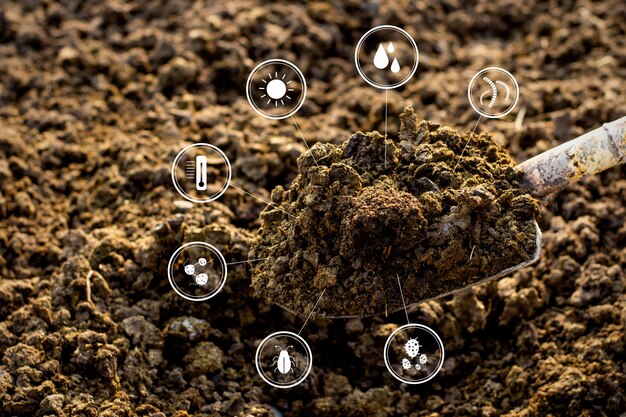
Before discussing fertilizers, it’s important to understand what organic farming is. Organic farming is a method of farming that emphasizes sustainability, biodiversity, and soil health. Unlike conventional farming, it prohibits the use of synthetic pesticides, herbicides, and fertilizers. Instead, organic farmers rely on natural substances and farming practices to enhance soil fertility and promote healthy crops.
Types of Fertilizers Used in Organic Farming
When we ask, if can organic farmers use fertilizer, it’s crucial to clarify that not all fertilizers are off-limits in organic farming. Organic fertilizers, in particular, play a key role in maintaining soil health and providing nutrients to crops. These fertilizers are derived from natural sources like animal manure, compost, and certain plant-based substances.
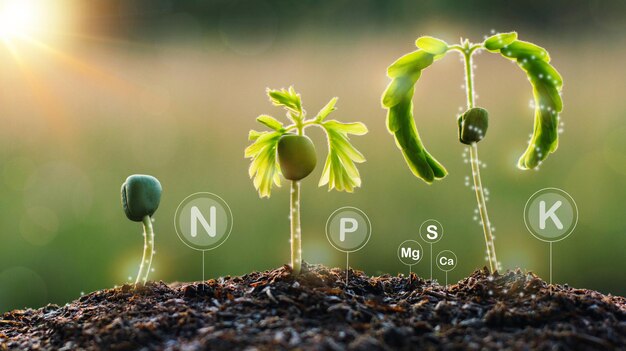
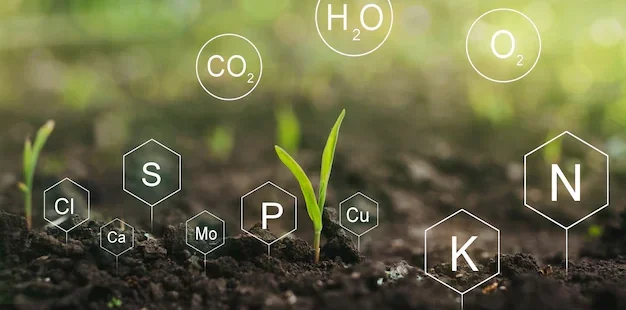
Organic fertilizers contain nutrients like nitrogen, phosphorus, and potassium, which are essential for plant growth. Unlike synthetic fertilizers, these natural fertilizers are slower to release nutrients into the soil, providing a more sustainable and gradual nutrient supply.
1. Animal Manure
Animal manure is one of the oldest forms of organic fertilizer. When properly composted, it provides a rich source of essential nutrients and improves the soil’s structure and water retention. Manure from herbivores like cows, sheep, and horses is commonly used in organic farming.
2. Compost
Compost is another critical component of organic farming. Made from decayed plant material, compost is a nutrient-rich substance that helps improve soil texture and microbial activity. It also provides slow-release nutrients over time, making it a sustainable fertilizer option.
3. Fish Emulsion and Seaweed Extract
Fish emulsion is a byproduct of fish processing, and seaweed extract is a natural product derived from sea plants. Both are commonly used as organic fertilizers due to their high levels of essential trace minerals and growth-promoting compounds.
Regulations Surrounding Fertilizer Use in Organic Farming
Although organic farmers can use fertilizer, it’s not a free-for-all when it comes to choosing the right type. The use of fertilizers in organic farming is highly regulated by certification organizations such as the USDA National Organic Program (NOP). These organizations have strict guidelines on what qualifies as an acceptable organic fertilizer.
For example, organic fertilizers must be derived from natural sources and should not contain synthetic chemicals or harmful additives. Furthermore, fertilizers that are used in organic farming must comply with sustainability principles, such as minimizing environmental impact and enhancing soil health.
Why Do Organic Farmers Use Fertilizers?
Even though organic farming emphasizes natural practices, fertilizers are still essential to ensure healthy crops. The soil on organic farms must remain rich in nutrients, as crops rely on these nutrients for optimal growth. Without proper fertilization, organic farmers may face challenges like nutrient deficiencies, poor crop yields, and lower-quality produce.
By using organic fertilizers, farmers can replenish soil nutrients in a way that aligns with the values of organic farming. Additionally, these fertilizers can help maintain the balance of soil organisms, prevent erosion, and support biodiversity in the long term.
Can Organic Farmers Use Synthetic Fertilizer?
The Bottom Line: Fertilizers in Organic Farming
To sum up, can organic farmers use fertilizer? Absolutely. However, the fertilizers they use must align with organic farming principles and be derived from natural, sustainable sources. Organic farming practices are designed to nurture the land, reduce chemical dependence, and promote long-term ecological balance. Fertilizers, when used responsibly and correctly, can play a key role in achieving these goals.

Frequently Asked Questions (FAQ)
No, organic farmers are not allowed to use synthetic or chemical fertilizers. Only natural and organic fertilizers are permitted under organic farming regulations.
Yes, organic fertilizers are highly effective in providing nutrients to crops. They improve soil structure, enhance microbial activity, and promote long-term soil health.
Yes, organic fertilizers can be used for a wide variety of crops, including vegetables, fruits, grains, and even ornamental plants.
Yes, organic fertilizers are derived from natural sources, while conventional fertilizers are typically synthetic and may contain harmful chemicals. Organic fertilizers have a slower nutrient release, promoting healthier, more sustainable crop growth.
While organic fertilizers are the preferred choice, organic farmers can also employ crop rotation, green manure, and cover crops to maintain soil fertility and prevent nutrient depletion.