
Table of Contents
ToggleCow dung can help fight climate change
Introduction:
Climate change is one of the most pressing issues of our time, and finding sustainable solutions is critical to the health of our planet. While many solutions are being explored, one of the most surprising and eco-friendly options comes from a possible source: dung. Often seen as mere waste, cow dung has enormous potential to combat climate change. In this blog post, we explore how cow dung can play an important role in combating climate change through various green solutions, from carbon sequestration to biogas production.
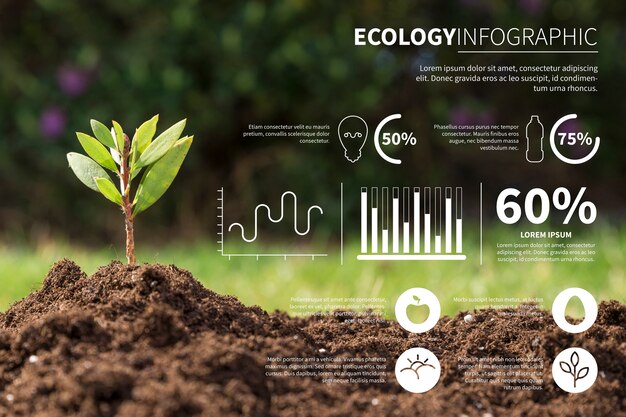
How cow dung helps fight climate change: Key Green solutions
1. Dung for carbon sequestration
Cow dung is one of the most effective ways to combat climate change by sequestering carbon. When cow dung is composted or used in agricultural practices, it helps capture and store carbon in the soil. This process, known as soil carbon sequestration, reduces the amount of carbon dioxide in the atmosphere, helping to reduce the greenhouse effect. Using manure to enrich soil with organic matter can promote healthy soil ecosystems and contribute to global efforts to combat climate change.
2. Biogas generation from dung
Cow dung is an excellent source for producing biogas, a renewable energy source. Through anaerobic digestion, cow dung can be converted into methane gas, which can be used for cooking, heating, and power generation. By using biogas, we can reduce our dependence on fossil fuels and reduce harmful greenhouse gas emissions. This process not only helps fight climate change but also contributes to reducing air pollution and improving energy sustainability.
3. Dung as a natural fertilizer
In agriculture, synthetic fertilizers contribute to environmental pollution and increase greenhouse gas emissions. On the other hand, cow dung is a natural fertilizer that improves soil health and reduces the need for chemical fertilizers. By using dung as compost, we can create a circular, sustainable farming system that helps reduce carbon emissions and promotes environmental stewardship. This simple yet effective method can significantly reduce the carbon footprint of agricultural practices.
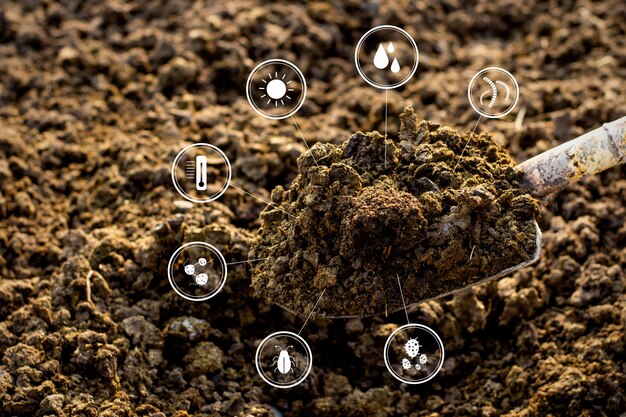
4. Dung for sustainable building materials
Cow dung is also being used as an eco-friendly construction material. When mixed with clay or other natural materials, dung can be turned into bricks and plaster, providing a sustainable alternative to cement and other carbon-intensive building materials. By using dung in construction, we can reduce the demand for fossil fuels in the construction industry and create low-carbon, energy-efficient homes and structures.
5. Cow dung in waste management
Cow dung can play a role in waste management by recycling organic waste into useful products such as compost, biogas, and even animal feed. By using dung in this way, we can reduce methane emissions from landfills and help manage organic waste more effectively. This process not only reduces waste but also promotes sustainability by turning waste into valuable resources that can help fight environmental change.
Frequently Asked Questions: How Cow Dung Can Help Fight Climate Change
Cow dung helps reduce carbon emissions in the soil. When composted, dung captures and stores carbon, preventing it from being released into the atmosphere as CO2. This process is beneficial in mitigating climate change.
Yes, dung plays an important role in waste management. It can be used to recycle organic waste into compost, biogas, and animal feed. Turning waste into valuable resources reduces methane emissions from landfills and contributes to a more sustainable waste management system.
Manure can be mixed with other natural materials such as soil to produce eco-friendly bricks and plaster. This sustainable alternative to traditional building materials such as cement helps reduce carbon emissions from the construction industry and promotes environmentally friendly building practices.
Yes, dung is an excellent natural fertilizer. This improves soil health, increases organic matter, and reduces the need for artificial fertilizers, which are often responsible for high greenhouse gas emissions. Using cow dung as fertilizer contributes to sustainable farming practices that support climate change mitigation.
Biogas is a renewable energy source produced by anaerobic digestion of organic matter including cow dung. When dung is processed, it produces methane gas, which can be used for cooking, heating, and power generation, reducing dependence on fossil fuels and reducing greenhouse gas emissions.
Conclusion:
Cow dung, often dismissed as mere waste, is a powerful tool in the fight against climate change. From its role in carbon sequestration to its potential in biogas production, cow dung offers a variety of green solutions that can reduce greenhouse gas emissions, increase sustainability, and enhance environmental health. By using dung in agricultural practices, waste management, construction and energy production, we can significantly progress toward mitigating climate change. As we look for innovative ways to protect our planet, cow dung can be one of the most effective resources at our disposal.