Table of Contents
Togglethe future of renewable energy of 2025
introduction
In the face of global energy challenges, cow dung in biogas production is gaining recognition as a powerful and sustainable source of renewable energy. As we move away from fossil fuels, biogas derived from organic waste like cow dung is proving to be an environmentally friendly alternative. However, this process offers many benefits including waste reduction, greenhouse gas emission control, and clean energy solutions for rural and urban communities alike. In this blog post, we explore how cow dung is changing the energy landscape in biogas production and why it is considered a key player in the future of renewable energy.
What is biogas?
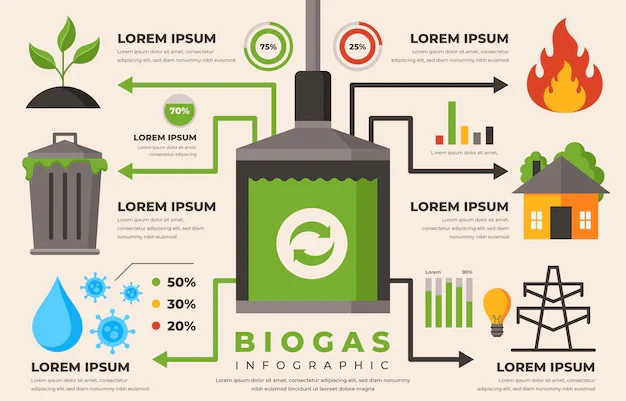
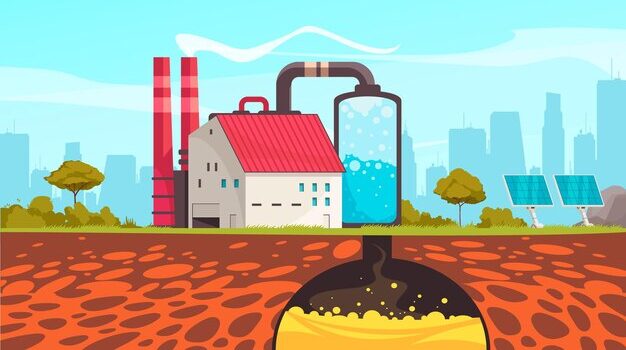
Biogas is a renewable energy source produced by anaerobic digestion of organic matter such as dung. When anaerobic digestion of dung for biogas production occurs, microorganisms break down the organic matter, releasing methane gas. This methane is then captured and used for a variety of purposes including power generation, heating, and as a clean fuel for vehicles. The use of cow dung in biogas production seeks to provide a sustainable, low-carbon solution to the growing demand for renewable energy.
How does cow dung work in biogas production?
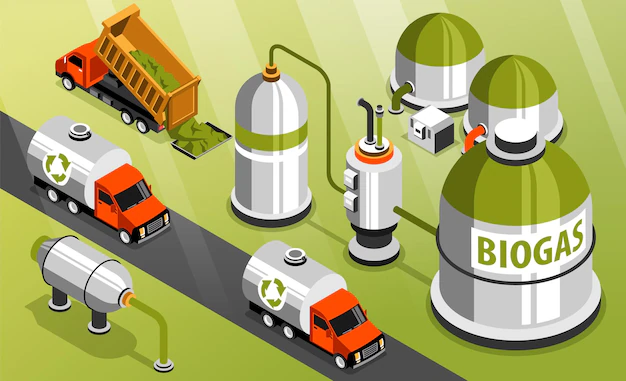
The process of converting dung into energy in biogas production begins with the collection of dung. It is placed in an anaerobic digester, where the material is kept in an oxygen-free environment. This encourages the growth of bacteria that break down the dung into methane gas. The biogas produced can be used for cooking, lighting, or electricity generation, and the remaining material, called digestate, can be used as a nutrient-rich organic fertilizer.
The efficiency of this process makes cow dung an excellent option for farmers and rural communities in biogas production. It provides them with a constant supply of energy and also produces valuable fertilizers for their crops. In addition, the methane captured during the process prevents it from escaping into the atmosphere, which contributes to global warming.
Why cow dung is important for sustainability in biogas production
The increasing interest of cow dung in biogas production is not only about renewable energy but also about sustainability. This process offers several key environmental benefits:
• Waste management: By using dung in biogas production, we can effectively manage agricultural waste. This reduces the accumulation of organic waste that can otherwise pollute the environment.
• Reducing greenhouse gas emissions: Biogas production captures methane, a potent greenhouse gas before it is released into the atmosphere. This helps mitigate climate change and reduces the carbon footprint of agriculture.
• Renewable energy sources: Biogas from cow dung in biogas production is a renewable resource that can provide reliable energy supply to communities, reducing dependence on fossil fuels.
Economic and social benefits of dung in biogas production
In addition to the environmental benefits, biogas production of cow dung has significant economic and social benefits:
1. Energy Independence: Communities can become less dependent on external energy sources. This is particularly important in rural areas where energy infrastructure may be lacking.
2. Cost savings: Farmers can save money on energy costs by using biogas for heating and cooking. Additionally, the digestate from the biogas production process can be used as a natural fertilizer, reducing the need for chemical fertilizers.
3. Income generation: By producing biogas from dung, farmers can sell surplus energy or biogas-related products, creating new sources of income for the rural economy.
Frequently asked questions about dung in biogas production
In biogas production, cow dung is placed in an anaerobic digester, where bacteria break down organic matter in the absence of oxygen. This process produces methane gas, which can be used as a renewable energy source.
Using dung in biogas production helps reduce greenhouse gas emissions by capturing methane, which would otherwise be released into the atmosphere. It also provides a sustainable way to manage agricultural waste by reducing pollution.
Yes, cow dung in biogas production can be scaled up for use in large biogas plants. Many countries are exploring large-scale biogas production from agricultural wastes, including dung, to meet energy demand.
Although the initial investment in a biogas system is high, the reduced energy costs and long-term savings from waste disposal charges make cow dung a cost-effective option in biogas production. In addition, biogas production offers additional income opportunities by selling energy or fertilizer.
Manure in biogas production provides rural communities with a renewable energy source, reduces waste, and creates income generation opportunities, contributing to local economic growth and sustainability.
conclusion
Cow dung in biogas production offers an innovative and sustainable solution to the world’s most pressing environmental and energy challenges. By converting dung into renewable energy, we reduce waste and create a cleaner, greener future. This process supports sustainable agriculture, reduces greenhouse gas emissions, and provides energy independence to rural communities. As we look for ways to reduce our dependence on fossil fuels, cow dung in biogas production will undoubtedly play an important role in shaping the future of renewable energy.