Table of Contents
ToggleEverything You Need to Know About Cow Dung Wood Machines
In a world increasingly focused on sustainability and green energy solutions, innovative technologies are emerging to solve longstanding environmental problems. One such innovation is the cow dung wood machine, a groundbreaking approach to transforming organic waste into a valuable resource. These machines, which combine cow dung and wood to produce efficient and eco-friendly energy sources, are revolutionizing waste management and energy production. Whether you’re interested in renewable energy, reducing waste, or finding alternative fuel sources, cow dung wood machines are making a significant impact.
In this blog, we will dive deep into what cow dung wood machines are, how they work, their benefits, and how they are shaping the future of renewable energy. If you are looking to learn more about this fascinating technology, you’re in the right place!
What Are Cow Dung Wood Machines?
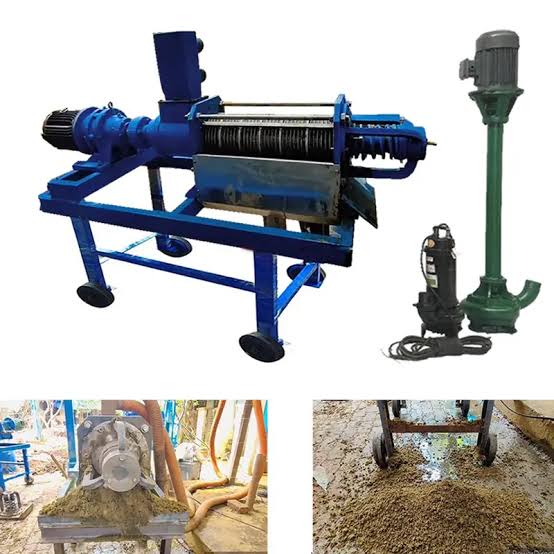
At its core, a cow dung wood machine is a device designed to combine cow dung and wood or biomass to produce sustainable energy in the form of biogas, charcoal, or wood pellets. This innovative machine takes advantage of two abundant resources—cow dung and wood waste—which are often considered waste products. By processing these materials, the machine turns them into valuable, renewable fuel that can be used for heating, cooking, electricity generation, and more.
Cow dung, which is commonly used in rural farming communities for a variety of purposes, such as fertilizer or building materials, can now be harnessed in a more advanced way. When combined with wood biomass, the mixture is converted into energy or fuel through processes like gasification, pyrolysis, or compression.
Key Features of Cow Dung Wood Machines:
• Biogas Production: Some machines convert cow dung and wood into methane-rich biogas through anaerobic digestion, which can be used for cooking or electricity generation.
• Charcoal Production: In certain processes, the dung and wood are subjected to pyrolysis, producing charcoal as a byproduct, which can be used for cooking or even sold as a commercial product.
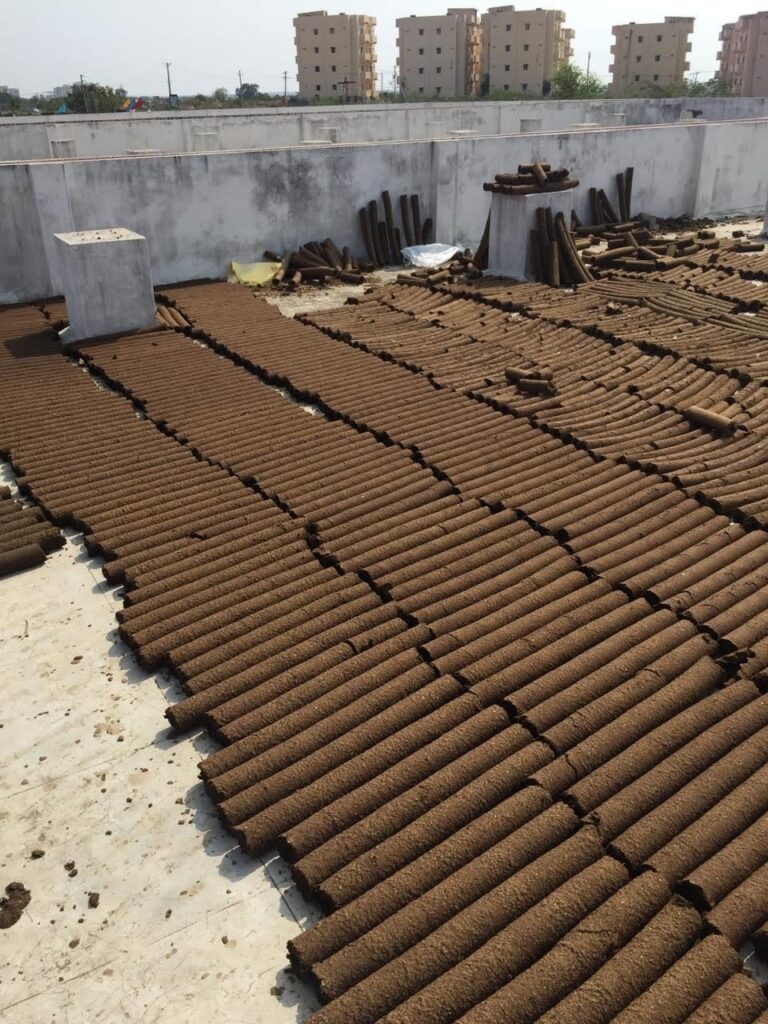
• Wood Pellet Production: Other machines compress cow dung and wood waste into compact pellets, which are a highly efficient form of fuel used in stoves, boilers, and industrial furnaces.

How Do Cow Dung Wood Machines Work?
The working of cow dung wood machines can vary depending on the specific technology used, but the general principle remains the same: converting organic waste into valuable energy. Here’s a breakdown of how these machines operate:
1. Collection of Materials
The first step involves gathering cow dung and wood waste. Cow dung is typically collected from farms, where it is an abundant byproduct of livestock farming. Similarly, wood waste (such as sawdust, wood chips, and shavings) is often sourced from sawmills or forestry operations.
2. Preparation of the Raw Materials
Once the raw materials are collected, they need to be processed. Cow dung may be dried and filtered to remove excess moisture, while wood waste is typically ground into smaller particles. In some cases, wood and dung may be mixed in a specific ratio, depending on the desired energy output.
Benefits of Cow Dung Wood Machines
The rise of cow dung wood machines has brought with it numerous benefits, particularly in terms of sustainability, waste management, and energy efficiency. Here are some of the key advantages:
1. Sustainable Energy Production
By converting organic waste materials into energy, cow dung wood machines promote the use of renewable resources. Biomass, including cow dung and wood, is a renewable resource that can be replenished through natural processes. This makes it a sustainable alternative to non-renewable fossil fuels like coal and oil.
2. Reduction of Waste
Cow dung and wood waste are often discarded, leading to environmental pollution and contributing to the depletion of natural resources. Cow dung wood machines help reduce this waste by turning it into valuable energy sources. Not only does this process reduce pollution, but it also helps cut down on the need for landfills and waste disposal.
3. Reduction in Greenhouse Gas Emissions
Traditional fuel sources, such as coal, produce harmful greenhouse gases when burned, contributing to climate change. Cow dung wood machines, however, produce much lower levels of greenhouse gas emissions. Biogas and wood pellets are considered carbon-neutral because the carbon dioxide released when they are burned is offset by the carbon dioxide absorbed by the plants during their growth.
4. Energy Independence
Using locally sourced materials, such as cow dung and wood, provides an opportunity for communities to produce their energy. This can reduce reliance on imported fuels and help lower energy costs, especially in rural areas where access to electricity and gas might be limited.
Different Types of Cow Dung Wood Machines
There are several types of machines designed to process cow dung and wood, each suited for different applications. Here are the main types:
1. Biogas Plants
Biogas plants are designed to convert cow dung and wood into biogas through anaerobic digestion. These plants are ideal for small to medium-sized farming operations or rural communities, where biogas can be used for cooking, heating, or electricity generation.
2. Charcoal Briquette Machines
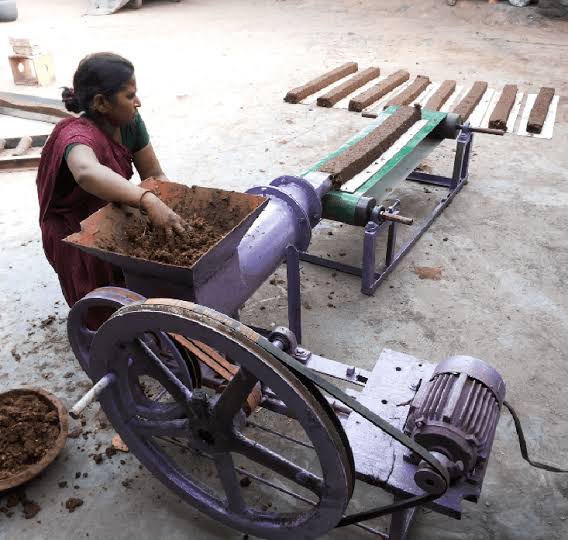
Charcoal briquette machines are used to process cow dung and wood waste into charcoal. The charcoal produced can be used as a fuel source for cooking, heating, or sold commercially.
3. Pelletizing Machines
Pelletizing machines compress cow dung and wood into small, uniform pellets. These pellets are highly efficient and can be used in pellet stoves, boilers, or power plants. They are a great option for both domestic and industrial applications.
4. Pyrolysis Machines
Pyrolysis machines are used to produce charcoal, gas, and oils from cow dung and wood waste. These machines are typically used in larger operations or where higher volumes of waste need to be processed.
Conclusion: The Future of Sustainable Energy
Cow dung wood machines represent a key step in the evolution of renewable energy production. By harnessing the power of two readily available resources—cow dung and wood—these machines offer an efficient and sustainable way to generate clean energy, reduce waste, and promote environmental sustainability. As the world moves toward a more eco-conscious future, technologies like cow dung wood machines will play an important role in solving the energy crisis and fighting climate change.