
Table of Contents
ToggleThe Growing Market of Cow Dung: A Global Insight
In recent years, cow dung, often overlooked as a mere byproduct of livestock farming, has gained significant attention worldwide for its environmental, agricultural, and industrial uses. From organic fertilizers to biofuels and sustainable construction materials, cow dung has found a place in various markets. But who is selling and buying the most cow dung globally? And what does the market look like by 2030? Let’s dive into this unique, emerging industry and explore its potential.
The Rise of Cow Dung: More Than Just Waste
Cow dung, a natural and renewable resource, is being utilized in multiple sectors, especially in countries with large agricultural industries. India, for example, is one of the largest producers and consumers of cow dung, which is used extensively as a fertilizer, fuel, and in religious rituals. However, the global market for cow dung has evolved far beyond traditional uses, with increased demand in several industries.
Who is Buying and Selling Cow Dung?
Major Producers and Exporters
Countries like India, China, and Brazil are among the top producers of cow dung. These countries have large agricultural sectors where cow dung is used as a natural fertilizer. India, specifically, leads the charge in the sale and usage of cow dung, with its rich tradition of using it for both practical and spiritual purposes.
India: With an estimated 300 million cows, India remains the world leader in cow dung production and consumption. Indian farmers use cow dung as a crucial part of organic farming practices. It is also sold domestically for use in organic fertilizers and fuel (cow dung cakes).
Brazil: As one of the world’s largest beef producers, Brazil generates vast amounts of cow dung, used in bioenergy production, as a fertilizer, and for producing biogas.
China: With its rapidly growing demand for organic farming solutions, China imports cow dung from countries like India to meet the growing need for natural fertilizers.
Key Buyers
While the demand for cow dung is high in agricultural countries, it is also increasingly being bought by green energy companies and sustainable development initiatives. In particular:
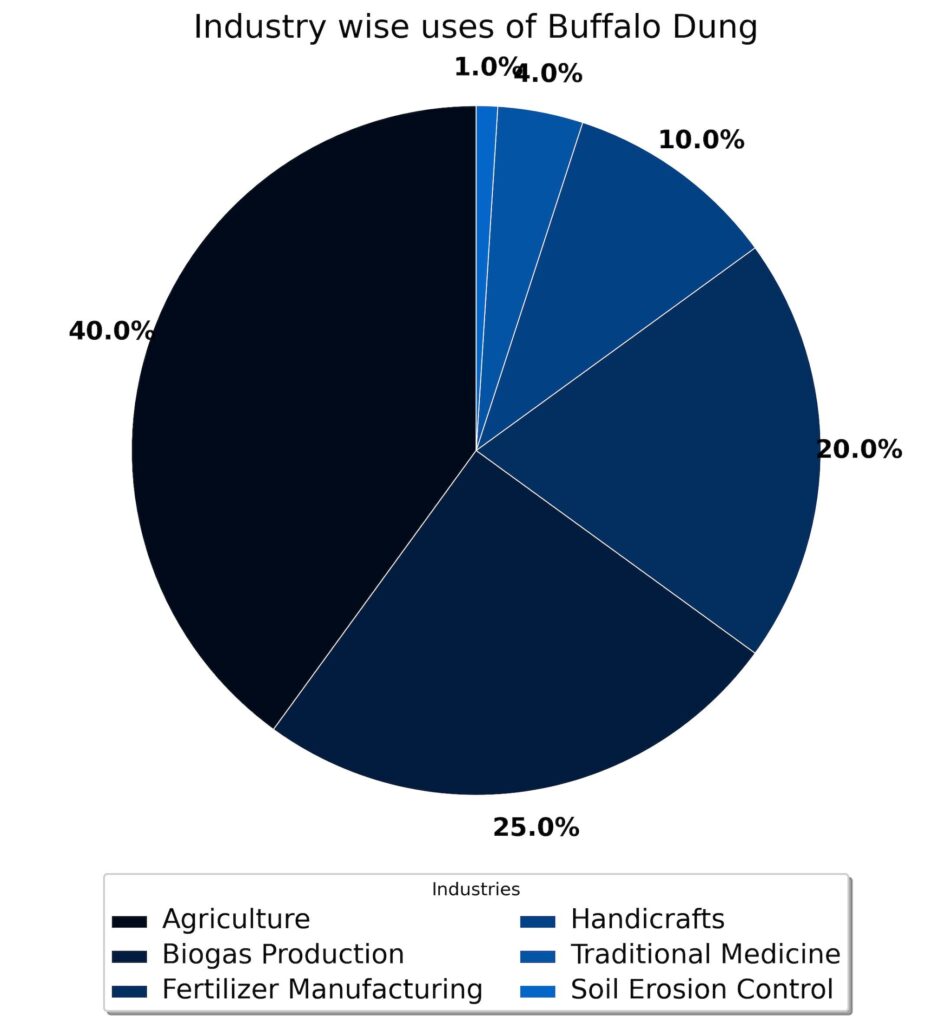
Biogas companies are purchasing large amounts of cow dung for the production of renewable energy. Cow dung is rich in methane, which can be harnessed to produce biogas, an alternative fuel.
Fertilizer companies around the world are tapping into the increasing demand for organic farming practices. Cow dung, due to its natural properties, is a popular choice for companies focused on sustainable agriculture.

The Future of the Cow Dung Market by 2030
As we look towards 2030, the cow dung market is poised for significant growth, driven by several factors.
1. Sustainability and Organic Farming Trends
With the growing shift towards sustainability, many farmers and industries are turning to organic solutions. By 2030, we can expect the demand for organic fertilizers, including cow dung, to rise substantially. This is especially true in developed countries, where organic farming is gaining traction.
2. Biogas and Renewable Energy
The renewable energy sector is expected to witness a boom, and cow dung could play a vital role in this transition. According to market forecasts, the global biogas market could exceed $100 billion by 2030, with cow dung as a primary feedstock for biogas production. As nations seek cleaner sources of energy, cow dung will increasingly be viewed as a valuable resource.
3. Cow Dung in Construction and Consumer Products
The use of cow dung in the construction industry is another emerging trend. In parts of India and Africa, cow dung is already being used as an eco-friendly building material. By 2030, this practice could become more widespread, offering low-cost, environmentally friendly alternatives for developing nations.
4. Global Market Size
The global cow dung market, currently valued at several billion dollars, is expected to grow at a rate of 5-7% annually. By 2030, the market could potentially reach over $15 billion as industries such as agriculture, energy, and construction continue to explore and adopt innovative ways to utilize cow dung.
Why the Growing Interest in Cow Dung?
So, why all the buzz around cow dung? The reasons are straightforward:
Eco-friendly and sustainable: Cow dung is biodegradable and can replace harmful chemical fertilizers and non-renewable resources.
Low-cost: Cow dung is inexpensive, especially in countries with large livestock populations.
Multipurpose: It has a wide range of applications in agriculture, energy production, and even construction.

Conclusion: Cow Dung’s Bright Future
As we move toward 2030, cow dung is no longer seen as just a waste product. From green energy production to organic farming, this humble byproduct is stepping into the spotlight. With its growing commercial applications, cow dung will play a significant role in driving global sustainability goals. Whether you’re in agriculture, energy, or construction, the cow dung market presents an exciting and profitable opportunity in the years to come.
By investing in eco-friendly solutions like cow dung, we can expect cleaner, greener, and more sustainable practices globally. The future of the cow dung market is bright, and it’s only just beginning to take off.